

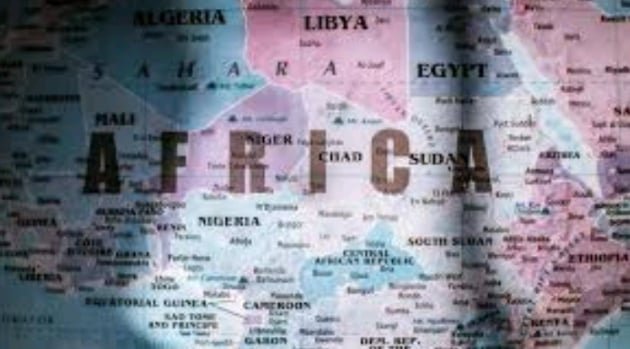
Africa’s Strategic Importance in the 21st Century
Africa has emerged as a pivotal region in the 21st century, capturing the attention of global powers. The continent’s vast natural resources, youthful population, and burgeoning consumer markets make it a focal point of geopolitical competition, particularly among five leading nations: the United States, Russia, China, France, and the United Kingdom. Each of these nations is pursuing unique economic, political, and security interests across Africa.
Why Africa Matters Globally
Several factors underscore Africa’s significance on the world stage:
Natural Resources
Africa is rich in crucial resources, including oil, gas, gold, diamonds, cobalt, lithium, uranium, and rare earth minerals. The demand for these resources is driving international interest and competition.
Demographics
Home to the youngest population globally, Africa is projected to account for nearly a quarter of the global population by 2050, presenting immense opportunities for growth and development.
Strategic Geography
Control of key shipping routes through the Red Sea, Suez Canal, Gulf of Guinea, and Indian Ocean enhances Africa’s strategic geopolitical importance.
Emerging Markets
Many African cities are experiencing rapid urbanization, technological advancements, and infrastructural development, making them attractive markets for investment and trade.
These elements are transforming Africa into a theater of global influence and strategic rivalry.
The United States: Security and Democratic Partnerships
The United States plays a significant role in Africa, primarily through the United States Africa Command (AFRICOM). U.S. initiatives focus on:
- Counterterrorism operations in regions like Somalia and the Sahel
- Promotion of democracy and governance
- Support for trade and private-sector investment
- Health and humanitarian programs such as PEPFAR
Washington’s diplomacy emphasizes partnerships founded on transparency, stability, and long-term development while countering the influence of rival powers.
Russia: Security, Arms, and Political Influence
Russia is re-establishing its presence in Africa, concentrating on security cooperation and diplomatic ties. Key strategies include:
- Arms sales and military training to various African nations
- Security agreements with regimes facing internal conflicts
- Mining and energy contracts
- Providing political support in international forums
By positioning itself as an alternative to Western influence, Russia appeals to African governments seeking diversified partnerships.
China: Infrastructure and Economic Expansion
China has become Africa’s largest trading partner and a leading investor in infrastructure projects. Through initiatives like the Forum on China-Africa Cooperation (FOCAC) and the Belt and Road Initiative, Beijing has significantly increased its presence on the continent. China’s focus spans:
- Large-scale infrastructure projects, including roads, railways, and ports
- Investments in mining and energy
- Expansion of technology and telecommunications
- Trade partnerships
While Chinese investment fosters development in many African countries, it has also raised concerns regarding debt sustainability and economic dependence.
France: Historical Ties and Security Engagement
France retains strong political, military, and economic connections, predominantly in West and Central Africa. France’s interests encompass:
- Counterterrorism efforts in the Sahel region
- Economic partnerships and cooperation in the CFA franc zone
- Access to energy and uranium resources
- Cultural and diplomatic influence
Despite this legacy, France has faced growing public criticism and shifting alliances within Africa.
The United Kingdom: Trade and Soft Power
Post-Brexit, the United Kingdom has recalibrated its Africa strategy, pursuing new trade opportunities. UK priorities include:
- Expanding bilateral trade and investment
- Enhancing partnerships in financial services and education
- Fostering security cooperation and military training
- Engaging through the Commonwealth network
The UK emphasizes economic diplomacy and governance reform initiatives, reflecting its commitment to Africa’s growth.
Key Areas of Competition
The competition among these five powers is particularly evident in:
- Military presence and security cooperation
- Access to critical minerals and energy resources
- Infrastructure development and trade agreements
- Diplomatic influence within the African Union
- Expansion of technology and telecommunications
Africa’s Strategic Position
As global powers vie for influence, African nations are increasingly charting their own courses. Many are pursuing multi-alignment strategies, collaborating with various partners to maximize economic growth and security benefits. The African Union’s headquarters in Addis Ababa symbolizes efforts to consolidate unity and enhance collective bargaining power.
Africa is no longer merely a playground for foreign interests; it is a rising geopolitical player with its own agency, negotiating from a standpoint of increasing importance.
Conclusion
The heightened presence of the United States, Russia, China, France, and the United Kingdom underscores Africa’s strategic centrality in global affairs. The outcome of this competition—whether it leads to sustainable development or heightened geopolitical tensions—will depend on transparency, mutual respect, and African-led initiatives. Ultimately, the future of Africa will be shaped not solely by external powers but by the decisions of its own people and leaders in an increasingly multipolar world.
For more insights, visit African Union and World Economic Forum.
