

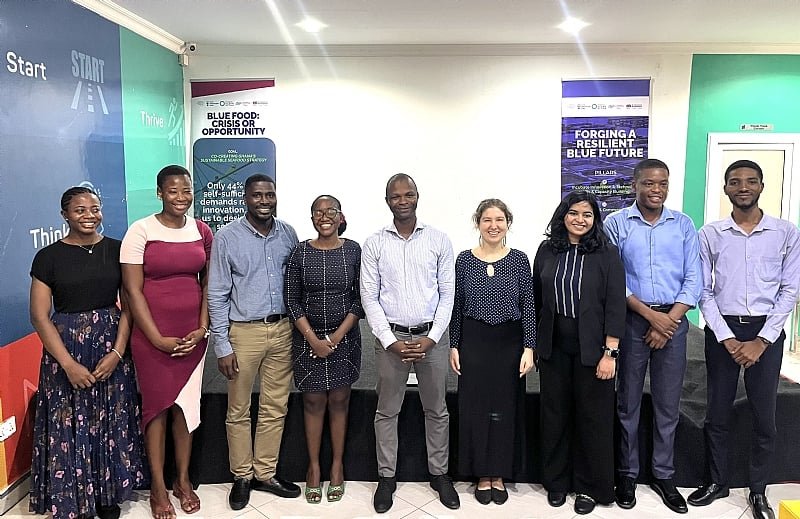
Ghana Launches Africa’s First Blue Food Innovation Hub
The Chamber of Aquaculture Ghana is set to unveil Africa’s inaugural Blue Food Innovation Hub on February 25, 2026, in collaboration with the World Economic Forum and other pivotal stakeholders. This landmark initiative aims to tackle enduring challenges in Ghana’s blue food sector, which is vital for the country’s protein supply and contributes approximately $600 million to the national GDP.
Understanding the Blue Food Sector in Ghana
The blue food sector encompasses marine fisheries, inland fisheries, and aquaculture, which together provide around 60% of Ghana’s protein. This sector includes a diverse range of aquatic produce harvested from oceans, rivers, and lakes. Currently, marine fishing leads in production volume, followed closely by inland fishing and aquaculture, which boasts significant potential for growth.
Challenges Facing the Sector
Despite its promising outlook, the blue food sector is plagued by numerous challenges. Marine fisheries are suffering from issues of overfishing and pollution, while inland fisheries experience similar environmental pressures. Experts estimate that post-harvest losses are alarmingly high, ranging between 20% and 30%. Moreover, the inflating costs associated with disease outbreaks in aquaculture, particularly for tilapia and catfish, coupled with the burden of import dependency for feed, exacerbate the production costs.
Focus on Aquaculture Expansion
During a recent press conference in Accra, Jacob Adzikah, CEO of the Chamber of Aquaculture, highlighted aquaculture as the most viable expansion path within the industry. “Given the challenges facing marine and inland sectors, aquaculture offers a more promising approach," he stated. The initial concentration of the hub will revolve around the production of tilapia and catfish, which together dominate Ghana’s aquaculture landscape—tilapia represents around 80% of farmed fish output.
The Role of the Blue Food Innovation Hub
The Blue Food Innovation Hub will act as a neutral platform that brings together government agencies, private firms, financial institutions, academia, and development partners to co-create and scale innovative solutions. Adzikah emphasized that the hub will identify and support business models showing potential in the blue food system.
Strategic Initiatives
- Accelerator Programs: Tailored for small and medium-sized enterprises (SMEs) in the aquaculture space.
- Finance Clinics: Organized to prepare businesses for investment opportunities.
- Knowledge Exchange Platforms: Aimed at enhancing technical and managerial capabilities.
The hub aspires to unlock a projected $10 million in new investments for businesses operating in the blue food sector from 2026 to 2032. Selected startups and SMEs will be vetted, trained, and linked with financial institutions providing competitive financing options.
Supporting Research and Development
In addition to financial support, the initiative promotes research and development, improves certification processes for exports, and encourages circular economy practices to minimize waste. Currently, the blue food sector in Ghana provides employment for over 500,000 individuals, creating both direct and indirect job opportunities.
Positioning Ghana as a Continental Leader
The Chamber is optimistic that the Blue Food Innovation Hub will position Ghana as a continental leader in blue food innovation, bolstering food security, enhancing livelihoods, and contributing to economic resilience across the nation.
For more information on blue food systems and the role of aquaculture in sustainable development, visit World Economic Forum.
This article aims to provide a comprehensive overview of Ghana’s blue food sector, focusing on the upcoming Blue Food Innovation Hub and its potential benefits. For additional insights, check resources on Aquaculture Innovations and Sustainable Fisheries.
