

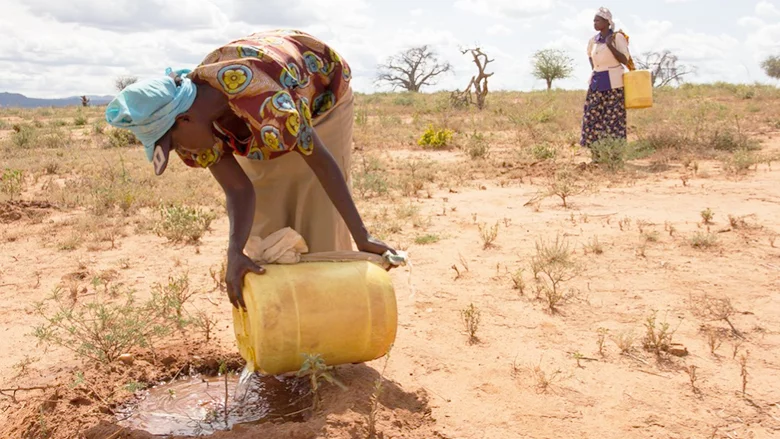
The Climate Crisis and Food Insecurity in East Africa: An Urgent Call to Action
A recent scientific review has generated alarming insights about the intersection of climate change and rapid population growth in East Africa. The countries of Ethiopia, Kenya, and Uganda are poised for significant challenges regarding food security as climatic shifts threaten agricultural productivity.
Climate Change: A Growing Threat
The scientific review indicates that regional temperatures are projected to rise by approximately 1.8–3.0°C by the mid-21st century. This increase in temperature is expected to have a detrimental impact on cereal crop yields, with reductions estimated between 13% and 22%. Uganda is anticipated to face the highest losses, while Ethiopia will likely experience the quickest temperature increases. Key staple crops like maize, wheat, and sorghum, which are essential for the daily sustenance of millions, are at serious risk.
Population Growth: A Pressing Concern
As climate conditions worsen, the demand for food continues to rise. By 2050, Ethiopia’s population may reach around 230 million, while Kenya and Uganda could see growth to approximately 93 million and 109 million, respectively. This population surge will dramatically amplify the need for staple foods, especially cereals. Projections suggest cereal demand could soar to about 50.6 million tons in Ethiopia and approximately 23 million tons each in Kenya and Uganda.
The Impending Food Deficit
Even with moderate improvements in agricultural practices, the study indicates that significant food shortages are likely. By the middle of the century, Ethiopia may experience a cereal deficit of about 21%, while Kenya could face a staggering 71% shortage, and Uganda a 60% shortfall. Without effective adaptation strategies, reliance on food imports will grow, leading to increased food prices and heightened risks of malnutrition.
Current Agricultural Challenges
East Africa’s agricultural sector is already struggling under the weight of climate change. Factors such as increased frequency of droughts, floods, heatwaves, and pest invasions are harming both crops and livestock. Since much of the region’s farming depends on rainfall, the vulnerability of food production to climate shocks is pronounced. Additionally, socio-economic challenges—like conflicts, economic instability, and inadequate infrastructure—exacerbate food access issues.
Broader Consequences of Food Scarcity
Food shortages have severe implications beyond mere hunger. They can lead to higher rates of undernutrition, stunted growth in children, and deficiencies in vital micronutrients. Strained health systems are at greater risk as malnutrition compromises immune functions and heightens susceptibility to diseases. Economically, soaring food prices can deepen poverty levels and divert governmental focus from developmental projects to emergency food provisions.
Climate Change as a Risk Multiplier
Researchers underscore that climate change functions as a “risk multiplier.” Rising temperatures not only decrease rainfall in certain regions but also heighten heat stress on crops, inhibit natural growth cycles, and aggravate pest outbreaks. These compounding factors result in diminished crop yields, even in conditions where rainfall appears stable.
Strategies for a Resilient Future
Despite the grim outlook, the review proposes actionable solutions. Investing in climate-resilient agriculture is critical. This includes developing drought-resistant varieties, enhancing irrigation and water management systems, improving forecasting for extreme weather, and promoting diverse farming practices. Additionally, enhancing storage, transportation, and distribution infrastructure could mitigate food losses and improve access.
Collaborative Approaches for Success
The study emphasizes the necessity for regional collaboration. Sharing climate data, coordinating food reserves, and implementing joint adaptation strategies can empower nations to more effectively respond to climate-related challenges. The integration of nutritional and health policies with agricultural planning is crucial for safeguarding vulnerable populations.
The Path Ahead
In conclusion, without immediate and strategic interventions, the intertwining challenges of climate change and population growth may lead to escalating food insecurity in East Africa by 2050. However, through targeted investments and coordinated policies, the potential remains to develop resilient food systems and mitigate future risks.
