

Italy’s Mattei Plan: Reimagining Europe’s Partnership with Africa
Introduction: A Strategic Shift Towards Africa
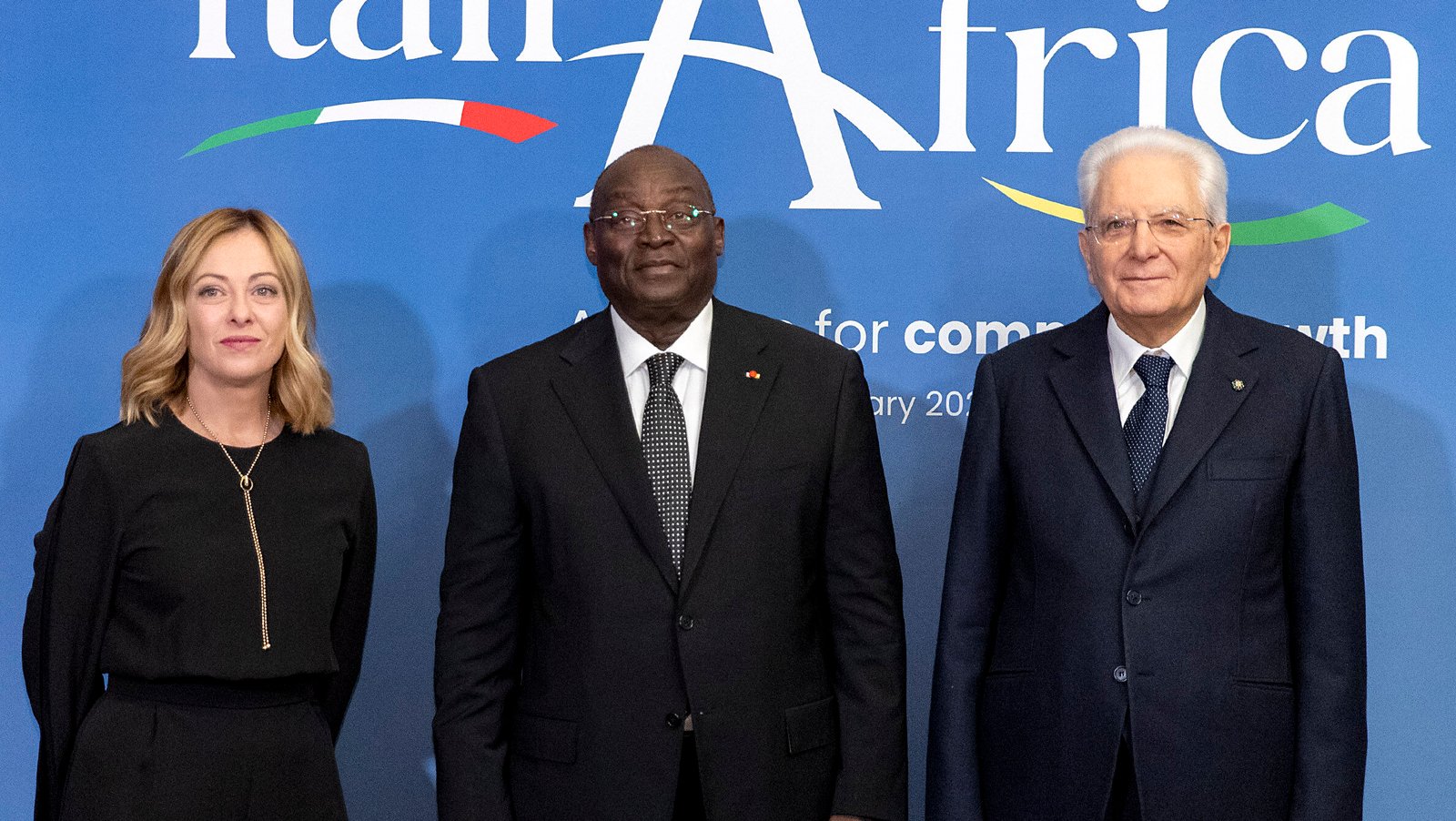
Italy is heralding a new era in European diplomacy with Africa through the groundbreaking Mattei Plan. This initiative emphasizes Africa’s vital role in enhancing security, energy resilience, and competition in global supply chains. Recently, Addis Ababa was the venue for two crucial gatherings: the second Italy-Africa Summit, the first hosted on the continent, alongside the African Union Summit. Italian Prime Minister Giorgia Meloni graced the event as a guest of honor, underscoring Africa as a key strategic partner for Italy and Europe, especially regarding security and migration dynamics.
Why Africa is Essential for Europe
Africa stands at a pivotal crossroads of critical energy routes, essential minerals, significant demographic shifts, and evolving migration trends. The continent possesses approximately 65% of the world’s uncultivated arable land and boasts the youngest population globally, with over 60% of its citizens under 25 years old. Projections suggest that Africa’s population could swell to 2.5 billion by 2050. Viewing Africa solely through the lens of instability or migration is misguided; the continent is increasingly recognized as a vital ally for global food security, clean energy, and long-term economic development. However, there lies a stark contrast between Africa’s immense potential and its current economic performance. Despite comprising 19% of the world’s population, Africa contributes only about 3% to global GDP.
The Mattei Plan: A Comprehensive Framework for Partnership
Under the tenure of Prime Minister Meloni, the Mattei Plan, which entails an investment of €5.5 billion, emphasizes Africa as a strategic partner. Unveiled during the 2024 Italy-Africa Summit in Rome, this initiative represents more than mere political rhetoric; it constitutes a structured policy framework aimed at redefining Italy’s foreign policy and economic interests.
During Italy’s G7 presidency, the focus was directed toward the southern flank of Europe, acknowledging Africa’s significance in countering threats posed by Russia and China. Additionally, the North Atlantic Treaty Organization (NATO) adopted its inaugural Southern Flank Strategy, further solidifying Italy’s commitment to fostering alliances across Africa.
The Mattei Plan is anchored on five pillars: education, agriculture, health, water, and energy, all aimed at fortifying economic growth and stability in Africa. Currently, the European Union engages in trade worth approximately €400 billion with Africa, representing 9% of its external trade. For Italy, Africa accounts for nearly 12% of imports and 6% of exports. In the backdrop, China has escalated its presence in Africa, emerging as the continent’s largest trading partner, accumulating around $300 billion in annual trade.
Harnessing Opportunities: Critical Minerals and Infrastructure
The new industrial revolution hinges on the availability of critical minerals, of which Africa is rich. These resources are indispensable for renewable energy initiatives and essential materials needed for global transformation. If Europe aspires to advance in decarbonization efforts, sustainable industrial partnerships with African nations are paramount. In a statement during the Critical Minerals Summit, Italy’s Foreign Minister Antonio Tajani highlighted that responsible partnerships with African nations are fundamental to safeguarding Western economic security.
However, the continent grapples with an infrastructure gap that requires an estimated €150 billion annually. This challenge offers a unique opportunity for Western engagement, presenting an alternative model to China’s state-led initiatives. The recently agreed $6 billion Lobito Corridor project, which connects Zambia and the Democratic Republic of Congo to Angola’s port, exemplifies the Mattei Plan’s integrated focus on infrastructure and economic development, with Italy pledging €320 million.
From National Interests to European Leadership
Italy is positioning itself as a regional leader in shaping the European Union’s strategic framework towards Africa, capitalizing on its expertise and forming coalitions. By aligning the Mattei Plan with the EU’s €300 billion Global Gateway, Italy is aiming for significant investment in Africa. Prime Minister Meloni’s recent trip to Addis Ababa, conducted after an EU informal retreat, exemplifies Rome’s dedication to integrating national actions with broader EU objectives.
Accompanied by leading CEOs, Meloni promotes public–private partnerships as crucial to operational successes in Africa. Similarly, Germany emphasizes a business-driven approach to African relations, indicating a potential for closer collaborative efforts between the two nations to strengthen European strategies across the continent.
Enhancing Africa’s policy, security engagement, and economic objectives requires mutual reinforcement to create a cohesive strategy. If backed by credible projects and synchronized efforts with U.S. and European initiatives, the Mattei Plan could elevate Italy’s role as a central player in Africa, thereby turning investments and partnerships into lasting political influence amidst growing global competition.
This comprehensive approach demonstrates that Africa is not just a frontier but a vital partner in shaping a secure and economically robust Europe, reflecting a future where mutual growth and collaboration transcend traditional boundaries.
