

Navigating the bustling streets of Cairo provides a vivid reminder that markets, much like cities, are dynamic entities. They evolve, adapt, and when circumstances are favorable, they reinvigorate themselves. From modern transport corridors to new administrative districts, the signs of Egypt’s economic advancement are increasingly evident, reflecting strategic investment decisions aimed at fostering sustainable growth.
The Enduring Partnership with IFC
For over fifty years, the collaboration between the International Finance Corporation (IFC) and Egypt has been crucial in shaping the institutions, capital flows, and private enterprises that form the backbone of a dynamic economy. This partnership is now steering Egypt into a new phase, characterized by resilience, competitiveness, and expansion. Notably, Egypt ranks among IFC’s largest portfolios in Africa, with investments and advisory services fostering private sector job creation.
Focus on Private Sector Growth
Recent discussions between key Egyptian officials, including H.E. Prime Minister Dr. Mostafa Madbouly, emphasized the crucial role of the private sector in shaping Egypt’s economic future. Central to these conversations was the Government’s Asset Monetization Program, aimed at unlocking private capital and reallocating assets to maximize productivity. This initiative sets the stage for a more competitive and resilient economy.
Innovating for Economic Resilience
During a recent event titled “Innovating for Resilience: Financing for a Sustainable Future,” co-hosted by the World Bank Group and the Central Bank of Egypt, discussions centered on enhancing financial inclusion and the mobilization of innovative private capital. These discussions highlighted the significance of the financial sector’s role in job creation and strengthening Egypt’s economic resilience.
Climate Finance as a Key Driver
The dialogue also extended to the critical issue of climate finance. Senior leaders, including UN Special Envoy Mahmoud Mohieldin, discussed aligning policy frameworks with private capital to enhance Africa’s climate resilience. Climate finance is increasingly recognized as a vital element of competitiveness in contemporary markets. Initiatives like the IFC 30 by 30 program are pivotal in mobilizing resources for climate adaptation and financing projects that are crucial for sustainability.
Major Investments Underway
During a recent engagement, the IFC confirmed five significant investments and advisory projects in Egypt, collectively exceeding $200 million. These projects exemplify a market-oriented approach to sustainable development:
- Scaling Green Finance: An investment in Banque Misr aims to enhance access to finance for micro, small, and medium enterprises (MSMEs) focused on climate-positive ventures.
- Strengthening Climate Reporting: The Export Development Bank of Egypt is being supported by the IFC in tracking green transactions through the #Egypt30by30 platform.
- Expanding Capital Markets: An investment in GlobalCorp aims to provide leasing and factoring solutions to MSMEs, particularly in vulnerable areas.
- Enhancing Healthcare: A partnership with EGMED seeks to boost local medical equipment production and specialized training.
- Strengthening the Retail Sector: An equity investment in Breadfast focuses on expanding market access for retail SMEs and generating large-scale employment opportunities.
Commitment to Sustainable Solutions
These investments are backed by the dedicated teams at IFC, whose technical expertise aligns global strategies with tangible local impacts. Their commitment is evident across various sectors, contributing to the development of a robust and sustainable economy.
A Model for Sustainable Tourism
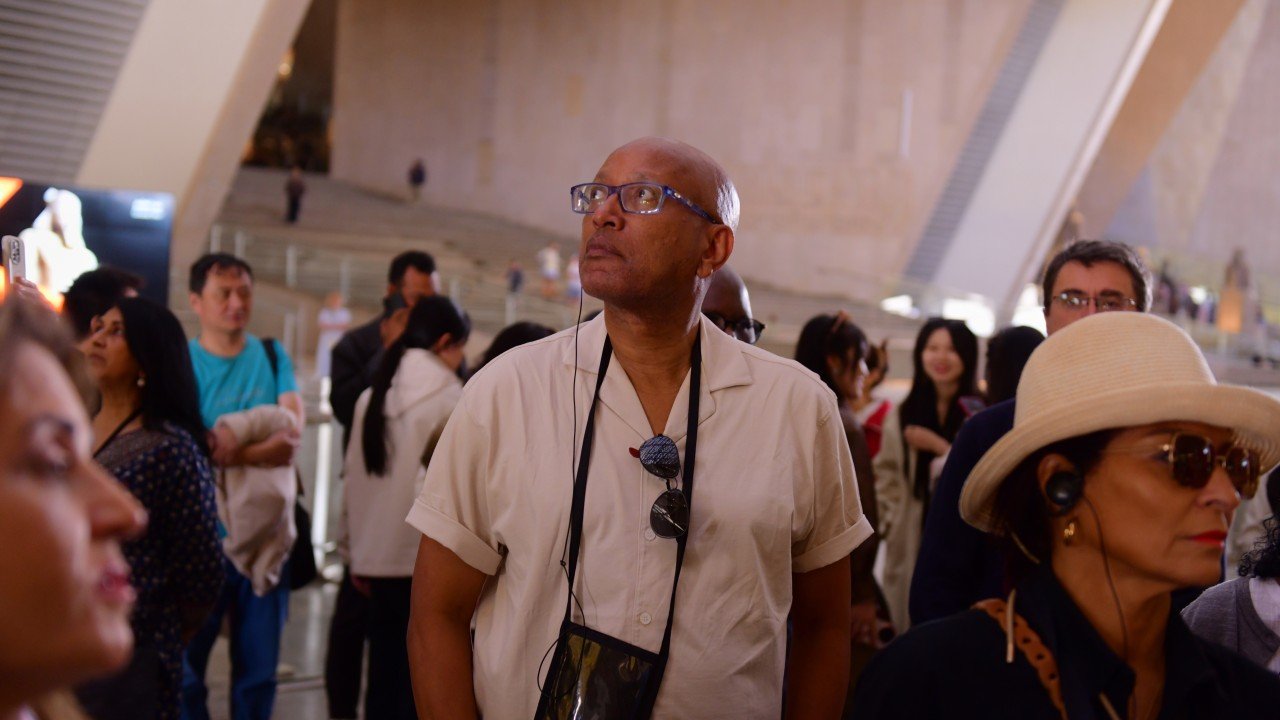
Another highlight of recent initiatives is the visit to the Grand Egyptian Museum, which stands as a testament to cultural heritage and sustainable design. As Africa and the Middle East’s first green museum, it exemplifies how sustainability can complement ambition and innovation, supported by IFC’s EDGE green buildings program.
The Path Forward
As Egypt moves forward, the emphasis on mobilizing the private sector within a supportive environment will significantly influence the long-term impact for both the Egyptian populace and the broader region. In the realm of markets and history, advancement is reserved for those who invest not only in growth but also in the systems that sustain it.
