

South Africa’s Offshore Drilling Dispute: A Crucial Environmental Test Case
As South Africa undergoes a significant transition in climate and energy policies, civil society organizations are stepping up efforts to ensure environmental justice in the ongoing dispute surrounding offshore drilling in Blocks 5, 6, and 7. This case is not just about energy; it represents a larger struggle for climate accountability, ocean protection, and the constitutional rights of coastal communities.
Key Developments in the Offshore Drilling Case
Civil Society Takes a Stand
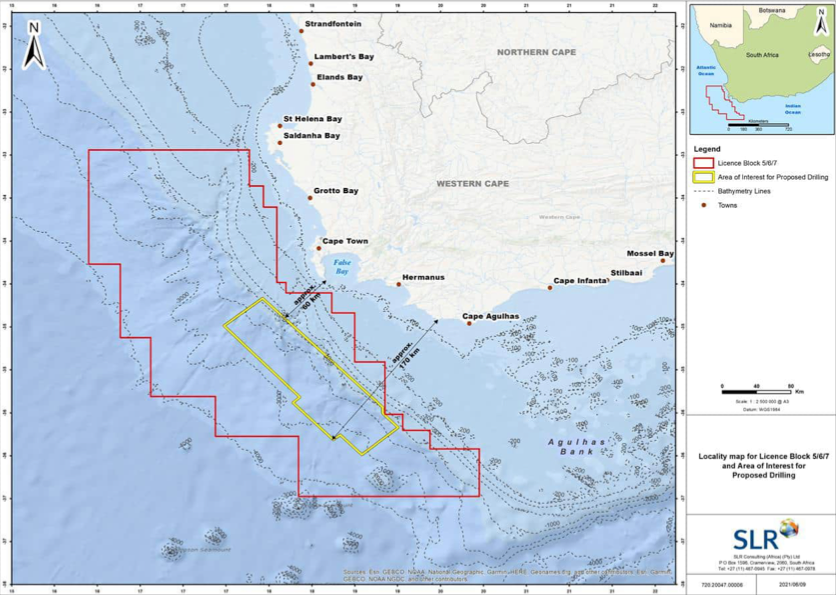
The Green Connection and Natural Justice have recently filed their answering affidavit in the Supreme Court of Appeal, opposing attempts by the State and Shell to expand their appeal in the offshore drilling matter. The proposed exploration area is located roughly 60 kilometers off Cape Point. This appeal follows the Western Cape High Court’s previous decision, which invalidated the offshore drilling authorization due to significant legal issues.
The Importance of Good Governance
According to Neville van Rooy, an outreach ambassador for The Green Connection, the ramifications of this case extend well beyond administrative processes. They touch on essential issues such as good governance, climate responsibility, and the constitutional rights of coastal communities reliant on a healthy marine environment for their livelihoods. The impact of seismic surveys and oil drilling on local fish populations raises further concerns about food security and cultural heritage.
Background of the Dispute
The controversy originated in 2022 when civil society organizations objected to the environmental impact assessment conducted by TEEPSA, which proposed drilling up to five wells. Widespread public and scientific concerns centered on the potential risks to marine ecosystems and small-scale fishers’ livelihoods. Despite these objections, the Department of Mineral Resources and Energy granted environmental authorization for drilling in 2023, which led to over 20 appeals from affected communities, experts, and civil society groups—all of which were dismissed by the then Minister of Forestry Fisheries and Environment.
Legal Proceedings and Court Rulings
In response to the dismissal of their appeals, The Green Connection and Natural Justice initiated a review in the High Court in 2024. Although TotalEnergies indicated plans to withdraw from some blocks, litigation continued, culminating in a 2025 ruling from the Western Cape High Court that set aside the environmental authorization, labeling the assessment process fundamentally flawed.
The court granted limited leave to appeal on two critical grounds concerning climate risk and transboundary harm. However, Shell, which took over the application from TEEPSA, along with the State, is now seeking to expand the appeal to include further grounds.
Socio-Economic and Environmental Implications
Civil society organizations argue that the High Court has already recognized serious deficiencies in the environmental assessment process. These include the inadequate evaluation of socio-economic impacts and failures to comply with the Integrated Coastal Management Act. Critical contingency plans for oil spills were disclosed late, limiting communities’ ability to assess associated risks adequately.
Threats to Coastal Communities
For small-scale fishers from the West Coast to KwaZulu Natal, the stakes are exceedingly high. Offshore exploration threats extend not only to marine ecosystems but also to food security and local economies. Stakeholders emphasize that potential damage cannot be compensated with financial compensation alone.
Aligning with Climate Commitments
This case holds additional significance amid South Africa’s broader climate commitments. As Africa’s largest carbon dioxide emitter, responsible for about 1% of global emissions, the country faces increasing pressure to harmonize energy development with climate goals. Civil society groups warn that expanding offshore oil and gas ventures may hinder these efforts while diverting funds from renewable energy initiatives. Methane, a potent greenhouse gas, poses additional risks as it is far more damaging than carbon dioxide in the short term.
Next Steps in the Legal Battle
The Supreme Court of Appeal will soon decide whether the State and Shell can extend their appeal to encompass socio-economic impacts, coastal protections, and contingency planning. This ongoing litigation represents a crucial test of transparency, environmental governance, and the application of precaution in energy decision-making.
A National Test for Environmental Governance
For advocates of environmental justice, the Block 5, 6, 7 offshore drilling case transcends individual interests; it encapsulates a national dialogue about constitutional rights, food security, marine biodiversity, and the long-term viability of South Africa’s coastal economy.
By navigating these unresolved issues in a transparent manner, South Africa has an opportunity to set an example for other nations grappling with similar challenges surrounding climate change and resource management.
For more detailed insights into the environmental impact of offshore drilling and the ongoing legal proceedings, visit The Green Connection and Natural Justice.
