

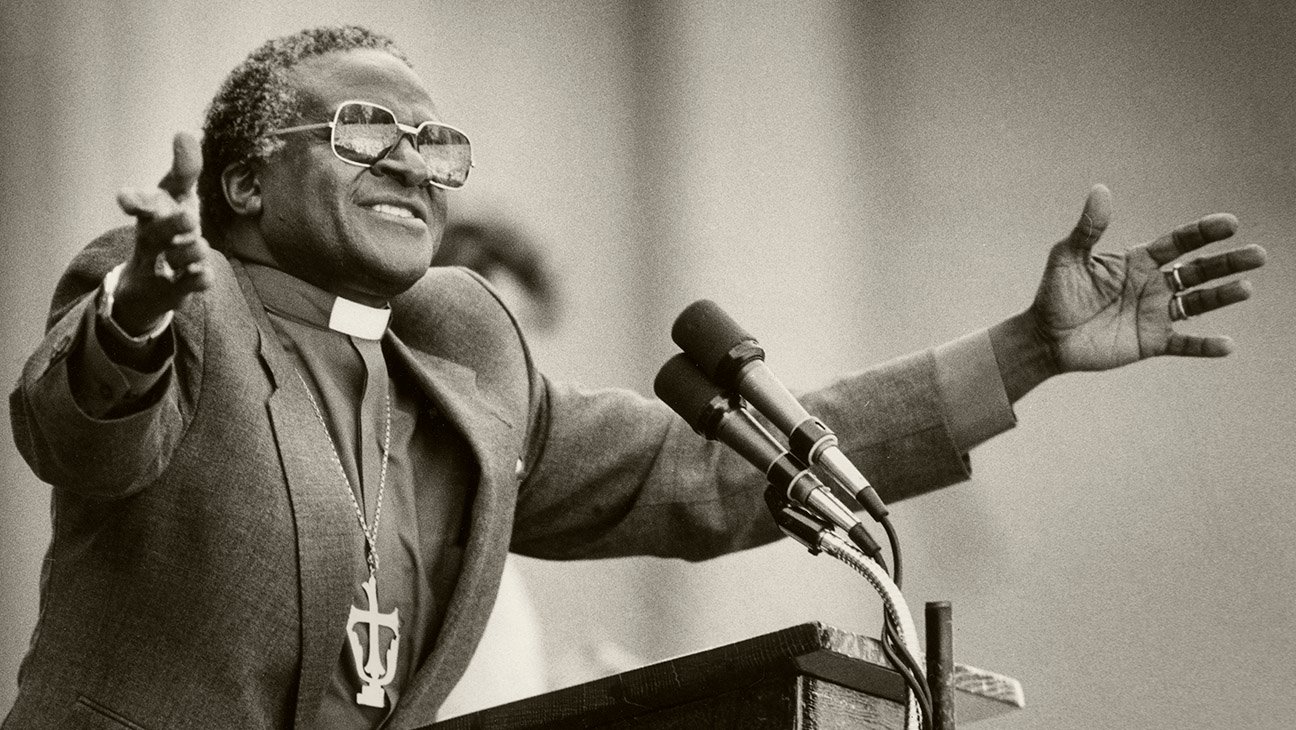
Exploring Desmond Tutu’s Legacy in Sam Pollard’s Documentary
Cinematic biographies can often feel like a tedious parade of facts and dates. However, Sam Pollard’s documentary Tutu, which premiered at the Berlin Film Festival, breaks this mold. It not only highlights the pivotal role Desmond Tutu played in ending apartheid in South Africa, but it also delivers a personal and intimate portrayal of the man himself. By the film’s conclusion, viewers leave with a profound understanding of Tutu’s character and influence.
Insightful Direction and Collaboration
Sam Pollard, known for his compelling works like Citizen Ashe and MLK/FBI, received invaluable support from consulting producers Roger Friedman and Benny Gool. Their unique perspective, having documented Tutu over the last 20 years of his life, brings forth rare footage and insights, allowing audiences to connect deeply with Tutu’s experiences—celebrating birthdays and sharing joyful moments that contrast the weighty historical events captured in the film.
A Rich Tapestry of Tutu’s Life
Tutu effectively chronicles significant milestones, from his theological studies in London during the 1960s to his critical roles in the anti-apartheid movement alongside notable figures like Steve Biko and Nelson Mandela. Tutu’s journey back to South Africa marked a shift that would see him emerge as a leading voice against apartheid.
Confronting Danger and Hatred
The documentary does not shy away from the dangers Tutu faced; a notable commentary emphasizes the tangible hatred directed toward him. Ironically, his commitment to non-violence occasionally placed him at odds with other Black activists. One gripping segment reveals Tutu intervening to save a potential victim of mob violence, underscoring his bravery and moral convictions.
A Bold Voice Against the West
In one of the film’s more electrifying moments, Tutu’s passionate response to Ronald Reagan and Margaret Thatcher’s stance against economic sanctions demonstrates his unwavering commitment to justice. His heated declaration, “The West, as represented by President Reagan, can go to hell as far as I’m concerned!” encapsulates his frustration with the international community’s inaction.
The Truth and Reconciliation Commission
Another poignant highlight features Tutu’s appointment by Mandela to lead the Truth and Reconciliation Commission. His emotional response to the testimonies of survivors bears witness to the atrocities faced during apartheid, shedding light on Tutu’s capacity for empathy and healing.
Man of Faith and Solitude
To escape the pressures of his activism, Tutu often retreated to serene Swedish landscapes. His travels extended to Norway, where he was awarded the Nobel Peace Prize, an honor he earned through his tireless advocacy rather than through controversy—a testament to his integrity.
A Warm and Human Portrait
Beyond the archival footage and significant events, the film excels in painting a humanistic picture of Tutu. Through interviews with his family, colleagues, and confidantes, his warmth and outgoing personality shine through. The film poignantly concludes with Tutu’s heartfelt words: “God bless you,” leaving a lasting impression on viewers.
Tutu
The Bottom Line
An invaluable cinematic portrait.
Venue: Berlin Film Festival (Special Presentation)
Director: Sam Pollard
Duration: 1 hour 42 minutes
Overall, Tutu stands as a compelling tribute not only to Desmond Tutu’s achievements but to the enduring spirit of resilience against injustice. Through this documentary, viewers gain a richer understanding of a man who devoted his life to advocacy and compassion.
