

Presented by The Rockefeller Foundation
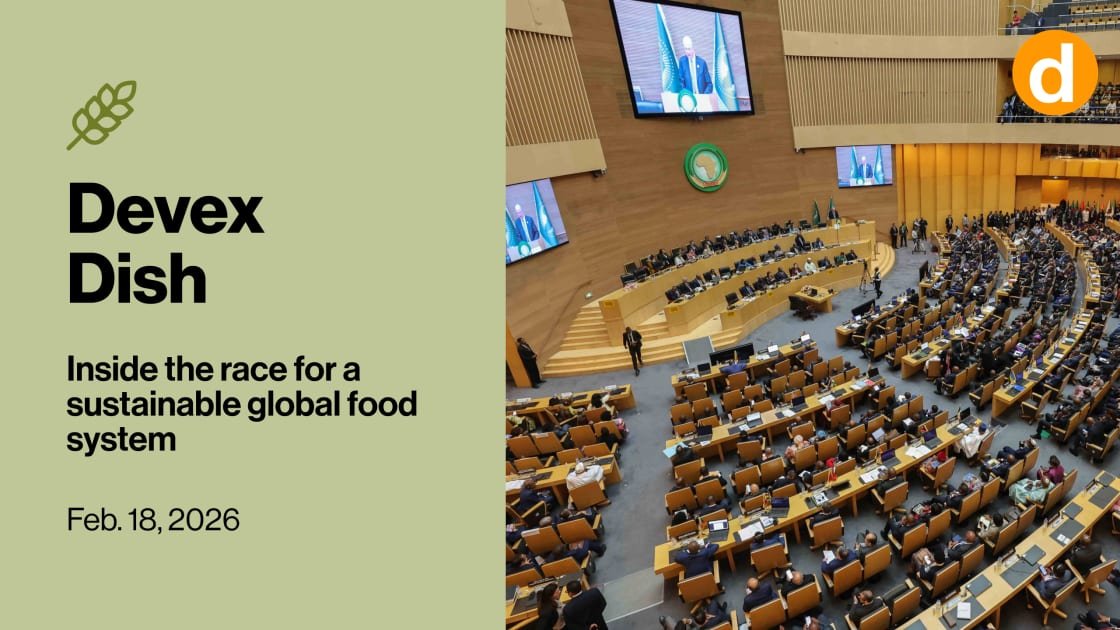
Agricultural Insights from the African Union Summit
During the recent African Union Summit in Addis Ababa, Ethiopia, agriculture and food security emerged as vital yet understated themes, intertwined with the summit’s primary focus on water. This was highlighted by the continent’s significant annual water financing gap of $64 billion, of which a mere $10.5 billion is currently available. Major multilateral banks, including the African Development Bank, presented ambitious plans to tackle these challenges.
Water Investment Initiatives
The African Development Bank introduced a $1 billion investment program aimed at improving water and sanitation access for millions across 18 countries. They have also partnered on the “Mission Water”, in collaboration with the World Bank, focusing on a unified approach to reach over a billion individuals globally. In eastern and southern Africa, the World Bank’s newly launched regional WASH plan aims to assist 30 million people in 12 countries over the next six years.
Enhancing Trade Through the African Continental Free Trade Area
The theme of water seamlessly connects to the underlying objective of the African Continental Free Trade Area (AfCFTA), aimed at reducing tariffs across member states. At the summit, agricultural organization AGRA and the AfCFTA Secretariat forged a memorandum of understanding to facilitate this vision. AGRA President Alice Ruhweza emphasized the need for local agricultural entities to compete effectively to boost intra-African food trade.
Challenges to Food Security
Many African nations heavily depend on food imports, increasing their vulnerability during global supply chain disruptions, as seen at the onset of the Russian invasion of Ukraine in 2022. Strengthening regional production and trade is critical to mitigating these shocks.
Addressing Nutritional Needs Amidst Funding Constraints
Nutrition was also a key discussion point at the summit, particularly concerning declining official development assistance. King Letsie III of Lesotho led conversations on domestic resource mobilization for nutrition, highlighting that over 75% of national nutrition programs have relied on external funding. With many African nations allocating less than 1% of their budgets to nutrition, the reduction in developmental aid signals an urgent need for sustainable solutions. Tendai Gunda from the Scaling Up Nutrition Movement expressed: “Nutrition is a core driver of Africa’s human capital and productivity.”
The Role of Digital Transformation in Agriculture
AU Commissioner for Agriculture Moses Vilakati stressed the importance of incorporating digital technologies into agricultural practices. Following a national conference on digital agriculture, Vilakati noted how technology could reverse the trend of youth disengagement from farming. Digital tools can enhance farm management, making agriculture more enticing for younger generations.
Global Perspectives on Food Security
Across the globe, particularly during the Munich Security Conference, advocates called for immediate investments in food systems. Máximo Torero, chief economist of the Food and Agriculture Organization, presented evidence indicating that neglecting food security could result in significant economic fallout. He advocated for a $100 million investment to establish anticipatory financing facilities to mitigate food crises.
Defense Leaders and Food Security
While NATO has initiated a food security working group, Torero warned that immediate geopolitical threats may overshadow the slower, but equally damaging, vulnerabilities like crop diseases and logistical bottlenecks. The message resonates: “Invest in food systems now, or pay more later.”
A Call for Sustainable Agricultural Research
“A world that cannot feed itself is a world that can never be safe. We must recognize that food security and peacebuilding are two sides of the same coin.”
— Ban Ki-moon, former U.N. secretary-general, and Ismahane Elouafi, executive managing director of CGIAR
In a shared opinion piece, Ban Ki-moon and Elouafi underscored the critical need for funding in agricultural research, which remains a fraction compared to military expenditures. They argue that an annual investment of $15.2 billion in agriculture research is essential, especially for fragile countries.
EAT Foundation’s Challenges and Legacy
In related news, the EAT Foundation announced it will be winding down operations after nearly a decade of food systems advocacy. Despite the foundation’s challenges, cofounder Gunhild Stordalen noted the ongoing need for impactful initiatives in food security. The EAT-Lancet report remains a pivotal piece in discussing sustainable food systems.
Key Takeaways from Recent Developments
The intersection of food security and climate change is more relevant than ever, with global initiatives focusing on making agricultural practices resilient. As the world seeks solutions to these pressing issues, a collective approach towards sustainable investment could pave the way for a healthier future.
Read more: EAT Foundation to wind down after a decade of food systems work
Stay informed about ongoing food systems developments and related conferences, and explore various partnerships aimed at revitalizing agricultural practices globally.
