

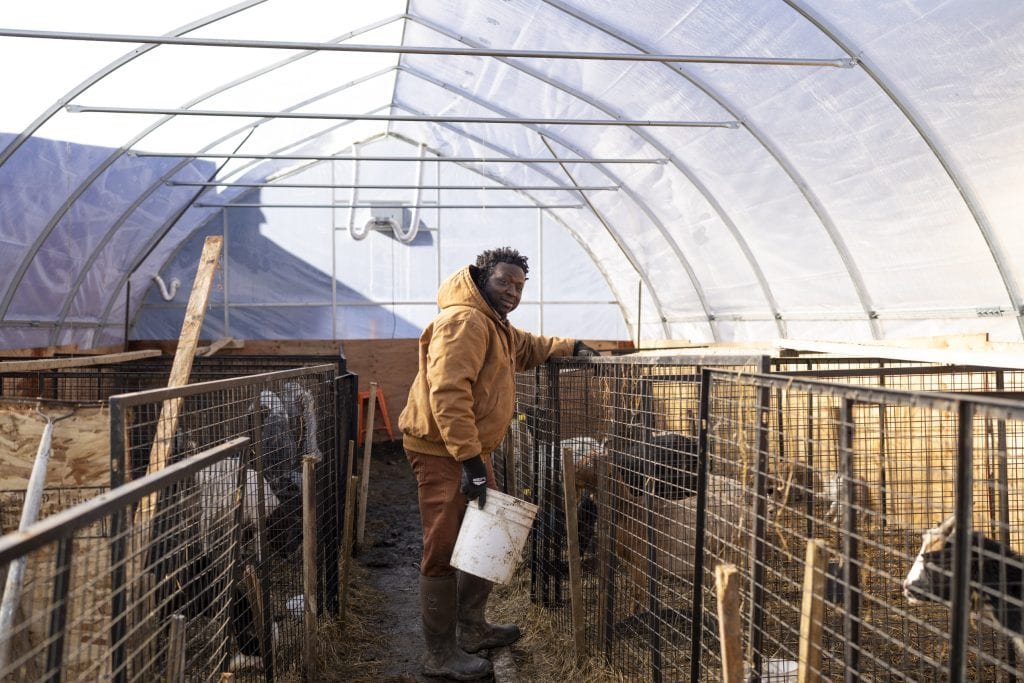
Toyin Kayo-Ajayi: A Champion for Black Farmers in Canada
Toyin Kayo-Ajayi, a proud Nigerian-Canadian farmer, has taken the initiative to cultivate traditional African crops such as cassava and yam in greenhouses near Mission, British Columbia. These staple foods, rich in protein and vital nutrients, are crucial not only to Kayo-Ajayi’s heritage but also to various cultures across Africa, South America, and India.
Overcoming Farming Challenges in Canada
When Kayo-Ajayi began his farming journey in 2020, skepticism surrounded his ambitions. Many believed that the Canadian climate and high costs of farming would make it impossible to successfully grow tropical crops. However, Kayo-Ajayi proves naysayers wrong, generating enthusiasm for his five-acre farm. With the ability to cultivate crops in greenhouses for five months each year, he has created a sustainable farming model.
His specialized soil, crafted from clean silt, sand, and goat manure, has proven effective especially for tropical plants that thrive in warm climates. This success has led him to not only sell his produce online but also supply fresh food to the African Foods Food Bank, which he founded to tackle food insecurity within the Black community.
Accessibility and Nutritional Awareness
Imported cultural foods like cassava often come with steep price tags in Canadian grocery stores, making them inaccessible for many families. Kayo-Ajayi’s mission is to break down these economic barriers. He emphasizes the importance of cultural food availability, especially for low-income families that struggle with rising grocery prices.
This summer, he aims to engage the community further by hosting events at the Kara-Kata Africa Village, where visitors can camp, learn about sustainable farming, and share meals inspired by African culinary traditions. His broader vision includes mentoring aspiring Black farmers through the Canadian Black Farmers Association, which he founded in 2022, now boasting over 200 members.
Addressing the Farm Diversity Gap
In Canada, primary agriculture contributes around $31.7 billion annually to the economy, yet less than five percent of farmers are Black. Kayo-Ajayi sees immense potential in increasing this representation to improve food security and support local economies. He argues that empowering Black farmers benefits the entire community, enabling better access to cultural foods and enhancing self-reliance in food production.
The Role of Quality Soil in Farming Success
Kayo-Ajayi attributes much of his success to healthy soil. Growing up in Ekiti State, Nigeria, he learned to appreciate the value of soil as the foundation of food production. Today, he utilizes a loam composition to support the tropical plants crucial for his farm. His philosophy is simple yet profound: “The soil is the root of everything I was able to do.”
In addition to growing traditional crops, Kayo-Ajayi actively works towards making organic soil available for purchase across Canada, which he believes will support both his ambitions and those of fellow Black farmers.
Community Empowerment and Growth
Kayo-Ajayi envisions the cultivation of cultural foods as a means to create a sustainable economy. By overcoming challenges such as climate change and upfront farming costs, he inspires others in the community to engage in agriculture, shifting cultural perception that often discourages Black individuals from farming.
Through the Canadian Black Farmers Association, he equips prospective farmers with the knowledge and resources necessary to thrive, thereby fostering a new generation dedicated to agriculture. Kayo-Ajayi remains optimistic about the future, believing that investing in food security and cultural foods will generate widespread benefits.
Conclusion
Toyin Kayo-Ajayi’s journey showcases the resilience and innovation of Black farmers in Canada. By promoting the cultivation of African staples and emphasizing the importance of community, he exemplifies how traditional practices can contribute to modern agricultural success. His efforts not only aim to enhance food accessibility but also serve to inspire future generations to cultivate their roots.
